

Why the Proposed $5,000 Sponsorship Rule Should Be Withdrawn?
Introduction
There are some policies that can be debated as matters of administration. There are others that go much deeper because they touch human dignity, family life, and the kind of society we claim to be building.
The proposed requirement by the Turks and Caicos Islands Government that work permit holders must earn at least $5,000 per month before being allowed to sponsor dependents falls squarely into that second category.
If implemented, this policy would not merely regulate immigration. It would create a social division between workers whose family life is considered acceptable and workers whose family life is effectively restricted by income.
That is why this proposal deserves careful reconsideration.
I reflect on my own experience working abroad in Canada during an 18-month secondment with KPMG. At the time, my monthly earnings were below $5,000, yet my wife was able to join me without unnecessary immigration barriers.
Had such a salary rule existed, I would have faced a difficult choice: either decline valuable professional experience or accept living apart from my family.
No serious society should lightly impose that choice on ordinary people.
A Threshold Detached from Reality
The first question that must be asked is simple: why $5,000?
What evidence supports that figure? Does it reflect average wages in the Turks and Caicos Islands? Does it reflect the earnings of the very workers on whom this country depends on every day?
For many sectors, the answer is clearly no.
Teachers, nurses, hospitality workers, technicians, clerical staff, security personnel, and many other essential employees often earn less than that threshold. Yet these are precisely the people who keep the country functioning.
If their labour is valuable enough to sustain our schools, clinics, hotels, businesses, and services, why should their family life suddenly be treated as unaffordable?
A policy detached from labour reality becomes less about management and more about exclusion.
The Country We Depend On is Built by Families Too
The Turks and Caicos Islands relies heavily on foreign labour. That is not speculation; it is visible across nearly every major sector in our country.
Workers do not come here simply to earn a wage or salary. They come to build a future, support loved ones, and create stability through sacrifice.
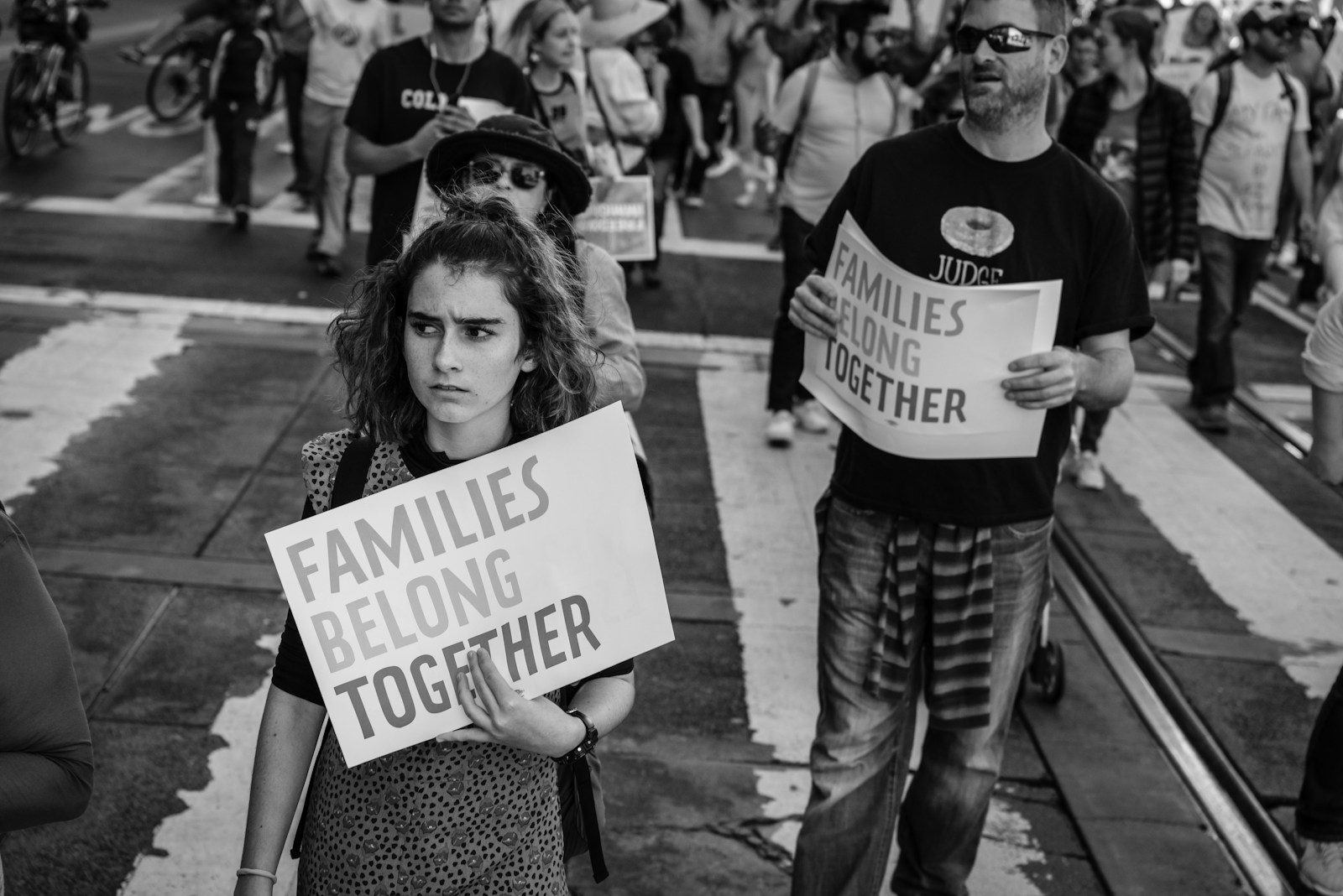
To invite people to strengthen our economy while denying many of them the right to live with their spouse or children sends a troubling message: your labour is welcome, but your family is not.
That message is neither sustainable nor humane.
And it raises uncomfortable questions.
What happens when the experienced teacher we urgently need is married? What happens when the nurse we cannot replace has children? What happens when the accountant, electrician, police officer, or hotel supervisor we depend on refuses an offer because family separation is too high a price to pay?
Are we prepared to lose skilled and committed workers because policy makes normal family life impossible?
Family Separation Carries Social Cost
This issue cannot be treated only as immigration policy because family separation always becomes a social issue.
When husbands and wives live apart for long periods, emotional strain increases. Children grow up with one parent absent. Relationships weaken under pressure. Loneliness becomes common, and with that often-come wider social consequences such as infidelity and break ups.
These realities are well known in every society.
Nationality does not change them.
Whether someone comes from Jamaica, Haiti, Dominican Republic, Philippines, or from Turks and Caicos itself, the emotional burden of separation is the same.
A husband misses his wife. A wife misses her husband. Children need both parents.
Human dignity should not depend on salary brackets.
The Economic Contradiction
There is also an economic contradiction within the proposal.
If families remain abroad, workers naturally send more money overseas through remittances. Instead of building households locally, spending locally, and participating more fully in community life, they remain financially anchored elsewhere because policy prevents family settlement here.
That means less domestic circulation of income, not more.
If the concern is pressure on public services, then there are more practical and honest solutions.
Adjust permit fees. Increase dependent contributions. Require employers and employees to share reasonable costs tied to public services.
Such measures would directly address fiscal concerns without creating an income barrier that many productive workers may never cross.
Financial responsibility cannot be measured by salary alone.
Let us not misjudge people simply by the size of their salary. A number on paper does not tell the full story of a person’s character, discipline, or ability to care for a family. In Turks and Caicos Islands, where the cost of living is high, there are people earning $5,000 or less a month who budget carefully, live responsibly, and meet every obligation, while there are others earning more than $5,000 a month who struggle because spending rises with income. Sometimes the more you make, the more you spend, and the less control you have. Financial responsibility cannot be measured by salary alone.
A Policy That Risks Encouraging Dishonesty
Another likely consequence is one that should concern policymakers deeply: artificial salary inflation and document manipulation.
Whenever a fixed threshold is set far above ordinary earning patterns, pressure grows to adjust paperwork rather than reality.
Employers may feel compelled to restructure contracts on paper. Workers may seek ways around the system. Administrative burden increases. Public trust weakens.
Good policy should reduce distortion, not invite it.
Immigration Can Be Managed Without Weakening Families
Every country has the right to regulate immigration. No serious person disputes that.
But immigration control should be pursued through sound labour planning, realistic permit systems, and transparent national development policy, not by making family unity available only to a select income category.
Conclusion
A strong nation is not measured only by how it controls entry. It is measured by how wisely it balances economic needs with human realities.
Family should never become a privilege reserved for higher earners. Family is dignity. Family is stability. Family is the foundation upon which any serious society rests.
For that reason, this proposed policy deserves withdrawal, or at minimum substantial revision before it causes harm that may be difficult to reverse.