
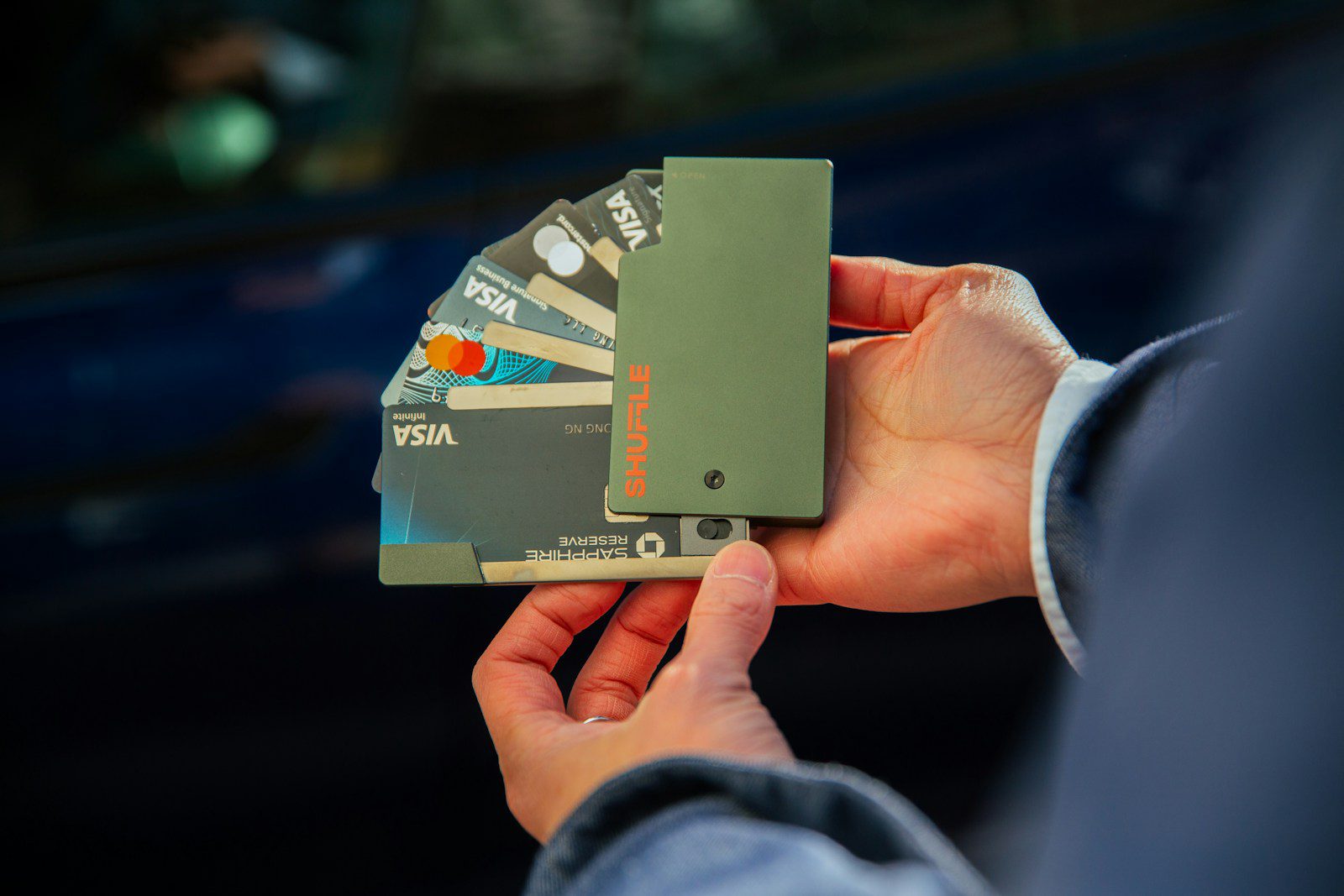

Many are losing thousands of dollars
Introduction
I am appreciative and so thankful for the tourists that continue to visit the Turks and Caicos Islands. I cannot fully express my gratitude with words alone. A few tourists are causing problems for certain businesses. Some of these visitors are enjoying their vacation, paying with credit cards and then disputing the charges once they return home. This situation is not only challenging for businesses, especially small business owners, but it also causes significant financial hardship for them.
The thing is these customers know they made the charges but later disputed the charges. Banks typically suspend credit to businesses while investigations are underway. In many cases the businesses never see the funds again because the reasons given to banks range from “That is not my signature, “I was not in Turks and Caicos “to “I didn’t authorize this or “I didn’t receive the service.”
You see this impact can be very serious. A single $2,000 reversed excursion or a $5,000 villa can erase your profit for the week. Multiple incidents like these can threaten payroll and survival.
What Can Businesses Do to Protect Themselves?
Prevention and documentation are now essential.
1. Strengthen Proof of Service
Businesses must assume that any transaction could later be disputed. Strong evidence is the best defense. This includes:
- Signed receipts for all card payments.
- Detailed invoices describing services or goods.
- Email or written confirmations for bookings.
- Records showing the customer was present and received the service.
Without documentation, banks almost always side with the cardholder.
2. Verify Customers for Transactions
For any services provided, verify it is the customer
- Request photo ID matching the credit card.
- Record the cardholder name and last four digits.
- Avoid manually typing card numbers whenever possible.
- Use chip or tap payments, which are harder to dispute.
Manual card entry transactions are among the easiest for customers to reverse.
3. Use Authorization and Booking Agreements
Advance bookings should never be accepted without written authorization. A simple form or email confirmation should outline:
- Service details and dates.
- Total cost.
- Cancellation and refund policy.
- Cardholder authorization signature.
These documents significantly improve the chances of successfully fighting a chargeback.
4. Make Policies Impossible to Miss
Disputes often claim “I didn’t know the policy.” Businesses should ensure refund and cancellation policies are:
- Printed on receipts.
- Posted visibly in-store.
- Included on websites and booking confirmations.
- Verbally explained for large transactions.
Customers should acknowledge these policies before payment.
5. Consider Deposits, Partial Cash, or Secure Payment Links
Some operators are shifting their payment strategies:
- Requiring deposits before services.
- Encouraging partial cash payments.
- Using secure online payment systems with identity verification.
- Charging in stages rather than one large final amount.
While going fully cash only may hurt convenience, reducing exposure to large single card transactions can lower risk.
6. The Controversial Question: Should Businesses Photograph Customers?
A growing number of businesses have considered photographing guests at the time of service as proof of presence. While this may help in disputes, it raises privacy and reputational concerns.
If used at all, experts say customers must be informed and give clear consent. However, many payment specialists argue that signed receipts, ID verification, and digital transaction records provide sufficient protection without the need for photographs.
Conclusion
What many business owners in Turks and Caicos are now confronting is not merely an inconvenience but a growing economic threat hidden behind the convenience of the use of a credit card. Every fraudulent chargeback weakens confidence, drains already tight operating margins, and forces honest businesses to absorb losses they can least afford. If left unchecked, the burden will ultimately fall not only on merchants but on the wider tourism economy itself. For local businesses, survival may increasingly depend on treating every transaction as if it may one day need to be dispusted.