

Act if you believe what you say
The latest budget debate in the House of Assembly in the Turks and Caicos Islands once again demonstrated that Parliament remains full of voices, arguments, criticism, and carefully delivered speeches. Government ministers, The Opposition Leader, and backbench members all took their turn presenting concerns about national spending, priorities, governance, and the future direction of the country. Many of the issues raised were valid, important, and deserving of national attention.
However, once the applause fades and the chamber empties, the country must ask a harder question: what real difference will any of these speeches make?
For too long, the electorate has been too easily impressed by polished presentations and forceful criticism delivered inside Parliament. A strong speech may create excitement, generate discussion, and even earn public praise, but speeches by themselves do not lower the cost of living, improve healthcare, fix roads, strengthen education, or create greater accountability in government.
The public must now listen more carefully and applaud less.
Every parliamentarian who stood to speak during the budget hearing must be judged not only by what was said, but by what action follows. If backbench members feel strongly that serious wrongs exist within government policy, why have they not moved beyond speeches and introduced private motions to force specific parliamentary action? If ministers themselves recognize weaknesses in delivery and administration, what concrete reforms have they personally advanced while sitting at the decision-making table?
The debate also raises another unavoidable question: would these same speeches sound the same if political positions were reversed?
If some of today’s backbenchers were ministers, would they be making the same criticisms, or would responsibility for governing soften their language? If some ministers were sitting outside government benches, would their voices be louder in attacking the very policies they now defend? And if the Opposition occupied government today, would their words remain as sharp once they carried the burden of making difficult financial decisions?
Political history often shows that positions influence language. Those in opposition usually speak with freedom because they do not carry executive responsibility. Those in government often defend decisions because they must answer for consequences. That reality does not make criticism invalid, but it does require the public to examine whether principles remain consistent regardless of office held.
At the same time, if any member of Parliament believes the country requires a change in leadership at the highest level, the Constitution provides serious instruments for testing that belief. If confidence in the Premier is truly lacking, why has there been no motion of no confidence? Why remain at the level of criticism without triggering the parliamentary mechanisms designed precisely for such moments?
If concerns are urgent enough to be repeated publicly year after year, then stronger parliamentary action should naturally follow.
The same standard applies to all sides: if members believe deeply in the points they raise, then legislative tools exist to move those concerns from speech into national decision-making.
The electorate must therefore become more disciplined in how it responds to parliamentary debate. Public applause should not be awarded simply because a speech sounds strong, emotional, or politically sharp. Applause should come when representatives introduce legislation, advance motions, secure policy changes, and produce measurable outcomes that improve national life.
The Turks and Caicos Islands does not suffer from a shortage of speeches. It suffers from a shortage of decisive political action.
The nation needs parliamentarians who value action over speeches and are willing to take political risks to achieve results.
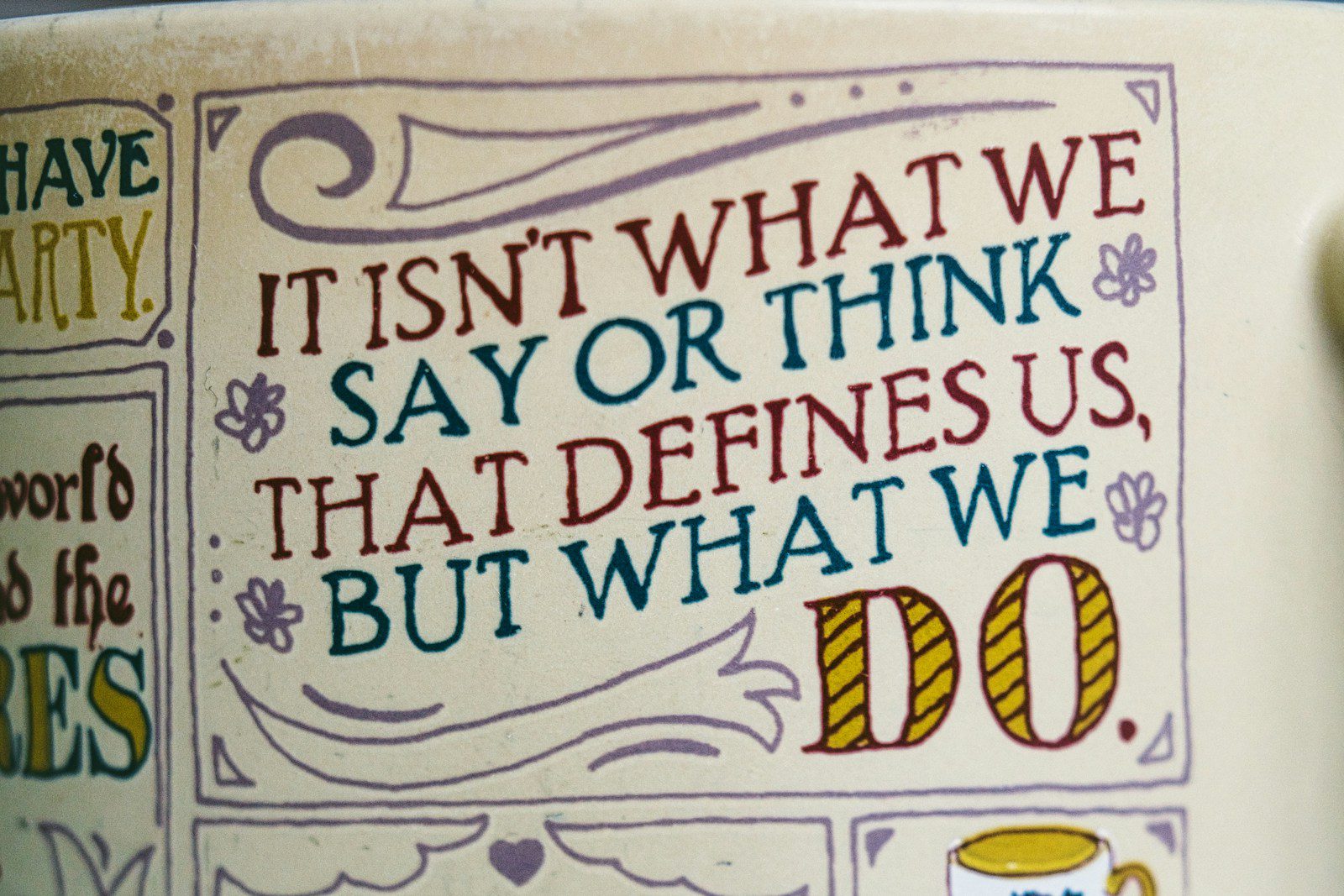
In the end, citizens must remember one simple truth: Parliament is not a stage for performance alone, it is a place where action must follow words.