
Attack the Issue, Not the Person
Introduction
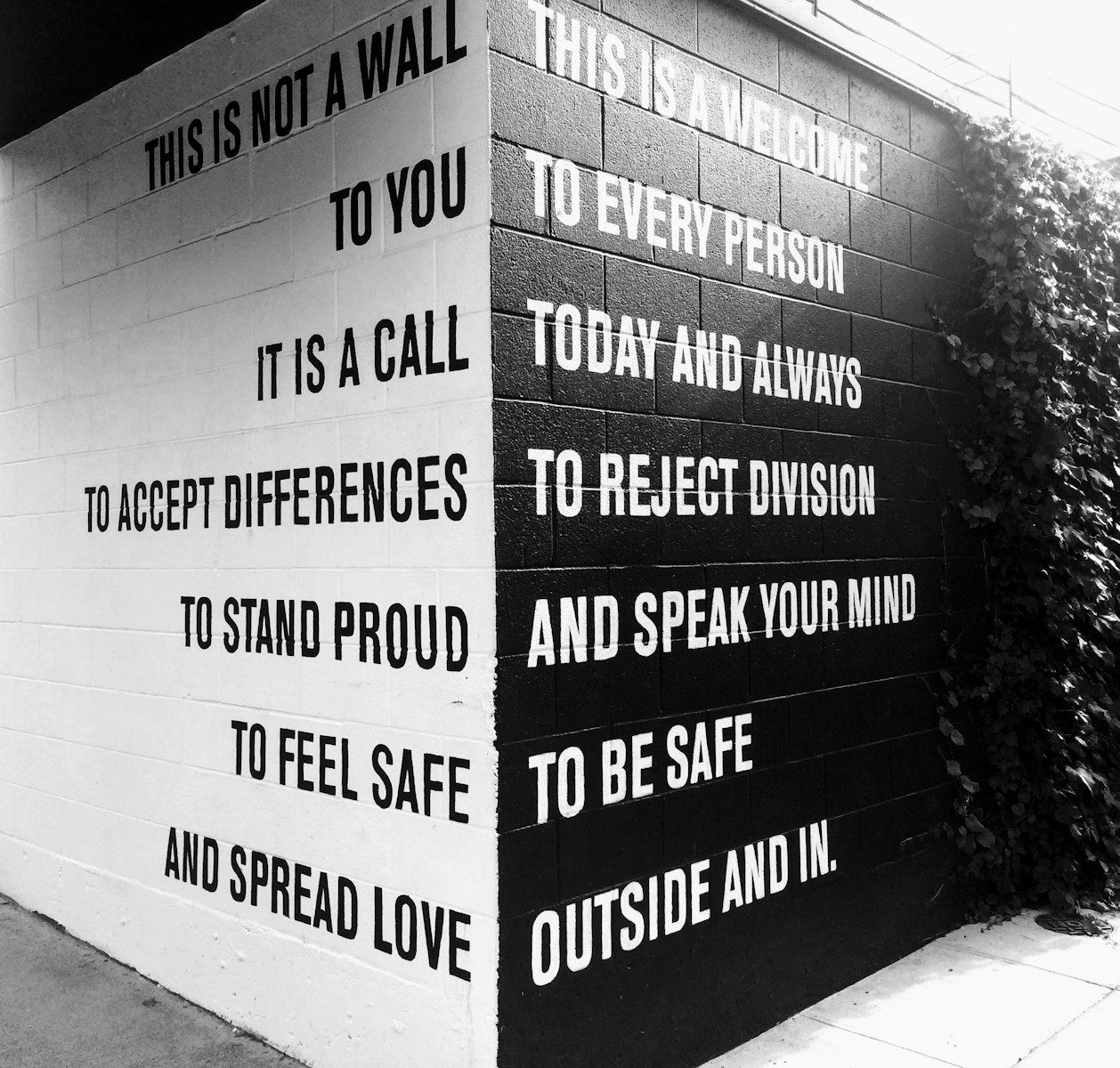
In every healthy democracy, the right to express an opinion is fundamental. It is not a privilege reserved for a select few; it belongs to everyone. Whether we agree or disagree, that right must be protected.
Disagreement is not the problem. In fact, disagreement can be productive. It sharpens ideas, encourages growth, and forces us to think more deeply about the issues that affect our communities. The problem arises when disagreement turns into personal attacks.
Attack the Issue, Not the Person
There is a critical difference between challenging an idea and attacking a person. When we attack individuals, we shut down dialogue. We replace thoughtful debate with hostility. But when we focus on the issue itself, examining facts, questioning assumptions, and presenting counterarguments, we elevate the conversation. We make space for understanding, even if consensus is never reached.
One of the more curious aspects of public discourse is how differently the same opinion can be received depending on who expresses it. Two people may say nearly identical things, yet the reaction can vary dramatically. Sometimes this is due to the background of the individual, their profession, reputation, past experiences, or personal history. Sometimes it reflects our own biases and preconceptions about who is “qualified” to speak.
We should ask ourselves: Are we responding to the content of the message, or to the identity of the messenger?
In July 2023, I wrote an article encouraging people to respect the opinions of others. That message remains just as relevant today. Respect does not mean agreement. It means listening carefully. It means engaging thoughtfully. It means resisting the urge to label or dismiss someone simply because their viewpoint differs from our own.
Read and understand what you read
In an age of rapid information and constant commentary, another responsibility falls on all of us: read carefully and read more than once. Too often, opinions are formed not from what was actually written, but from what someone else said about it. Headlines are shared without context. Excerpts are circulated without full argument. Words are interpreted through assumptions rather than understanding.
Before reacting, pause. Read the entire piece. Then read it again. Ask: What is the person saying? What evidence is presented? What might I be misunderstood?
An informed disagreement is far more valuable than a reaction based on hearsay.
Conclusion
If we truly believe in freedom of expression, we must also believe in freedom from personal hostility. Debate the policy. Question the idea. Challenge the argument. Leave the personal attacks behind.
A society that can disagree respectfully is not a divided one rather it is a mature one. Maturity begins with each of us.