

Rent is high and temporary, equity is forever
Introduction
One of my biggest regrets is that I did not purchase beachfront condominiums many years ago. At the time, two major factors deterred me: the purchase price and the strata fees. Today, those same condos cost at least three times what they once did, and for many of us, they are now out of reach.
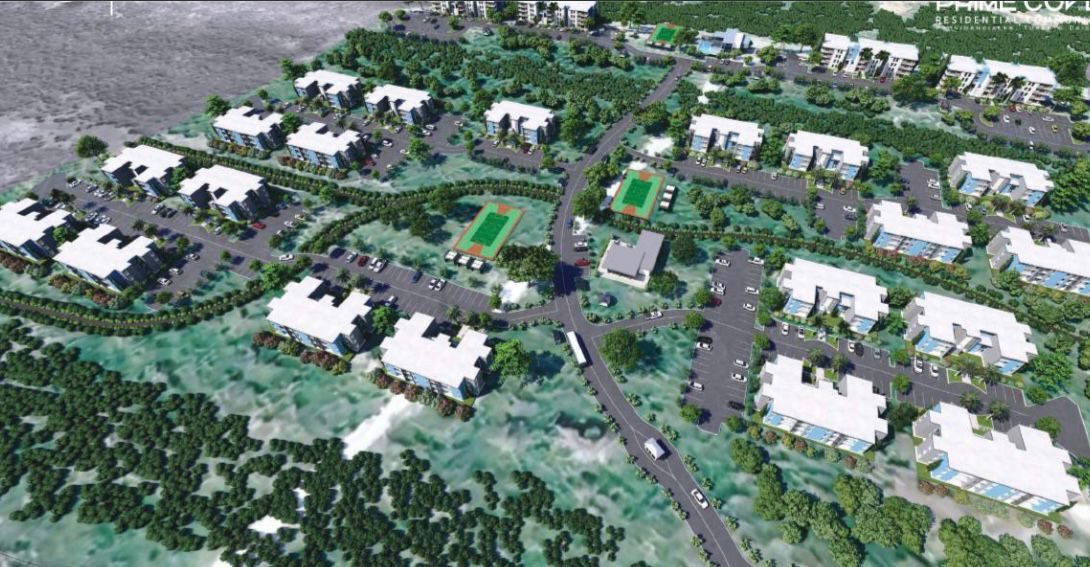
Last week, a proposed 480-unit development was announced, and as expected, it has attracted criticism. One of the commonly cited concerns is the anticipated cost of strata fees. Although the specific strata fees have not yet been announced, it is important to recognize that such charges are customary in developments of this type and should be regarded as an expected and integral component of property ownership rather than a deterrent.
What Is a Strata Fee?
A strata fee is a monthly or quarterly payment made by property owners to cover the shared costs of maintaining and managing a development.
Typically, strata fees include:
- Building insurance
- Maintenance and repair of common areas (such as roofs, hallways, elevators, and parking areas)
- Landscaping and cleaning services
- Security services
- Pool and recreational facility maintenance
- Contributions to a reserve fund for major future repairs (for example, roof replacement)
- Management and administrative costs
Strata fees are based on an annual operating budget prepared and reviewed by the Strata corporation. Once the budget is approved, the total cost is divided by the total square footage of the development to establish a cost per square foot. Each owner then pays strata fees proportionate to the size of their unit.
Do Not Be Deterred by Strata Fees
Strata fees should not discourage you from purchasing a home or condominium. That said, of course, we must be wise and consider the cost of strata fees before making any purchase decision.
It is also important to recognize that while this type of residential housing may be relatively new in Turks and Caicos, it is not new to the country. Most of the commercial and resort-style developments in Grace Bay are structured under the strata model. In that sense, this is not an unfamiliar concept, it is simply being applied more directly to residential living.
There is nothing wrong with not owning an individual standalone home. Apartment-style living, including multi-storey buildings, is common around the world and works very well when properly managed. This type of arrangement allows for shared costs, efficient land use, and professionally maintained properties.
The reality is though that if you were to buy a standalone house, you would still be responsible for insurance, maintenance, landscaping, and cleaning, often for the rest of your life especially if you want to maintain your house in good condition,
One of the key differences between strata living and individual homeownership is cash flow and convenience. With strata living, costs are pooled and paid incrementally, usually monthly. In contrast, homeowners often face large, unexpected upfront expenses, such as roof repairs or major maintenance. While some insurance companies allow semi-annual payments, strata insurance costs are typically spread over 12 months, making budgeting easier and more predictable.
Strata fees act as an organized way to save for property maintenance, making sure that significant repairs are anticipated and do not cause unexpected financial strain.
Another good thing about strata living is that you have someone managing the property on your behalf. Instead of using your own time and effort to coordinate repairs, deal with contractors, or manage maintenance issues, a professional management team takes care of these responsibilities. This is especially beneficial for people with busy schedules or those who prefer not to deal with the day-to-day demands of property management.
Paying Rent vs. Paying a Mortgage
Rent in Providenciales is exceptionally high. A one-bedroom unit can easily cost $1,500 per month, while a two-bedroom can reach $2,500 per month.
At $1,500 per month, you pay:
- $18,000 per year
- $90,000 over five years
At $2,500 per month, you pay:
- $30,000 per year
- $150,000 over five years
In both cases, that money builds no equity.
Based on available information, the estimated price of these homes ranges from $200,000 to $250,000. A $200,000 mortgage at an 8% interest rate over 20 years would result in monthly payments of approximately $1,611. A $250,000 mortgage under the same terms would result in monthly payments of about $2,013.
These mortgage payments are comparable to, in some cases similar to, current rental rates. If you are already paying rent on time each month, it demonstrates an ability to service a mortgage. The crucial difference is that mortgage payments build equity and contribute to long-term financial security.
Furthermore, reports indicate that British Caribbean Bank is willing to work with buyers to help secure financing, making homeownership more accessible than many might assume. Of course, you can get financing from other financial institutions.
Conclusion
Do not allow criticism or fear of strata fees to discourage you. Based on my observations and research, I believe this is a promising and beneficial initiative that deserves support.
With careful planning, it may even be possible to purchase a unit and rent it at a reasonable rate that covers your mortgage and strata fees. Alternatively, keeping the home for yourself provides a solid first step toward ownership and financial stability.
Rather than paying someone else’s mortgage through rent, you can invest in your own future and build equity for yourself.
Finally, let me remind you that data from National Physical Development Plan indicates that we need at least 650 new homes each year for the next twenty years. This initiative helps address the housing crisis.