

Are We Contributing to It?
Introduction
Every year on August 1, many countries commemorate Emancipation Day to honour the courage and resilience of our ancestors who endured centuries of slavery before finally obtaining their freedom. It is an important occasion that reminds us of the value of liberty and human dignity.
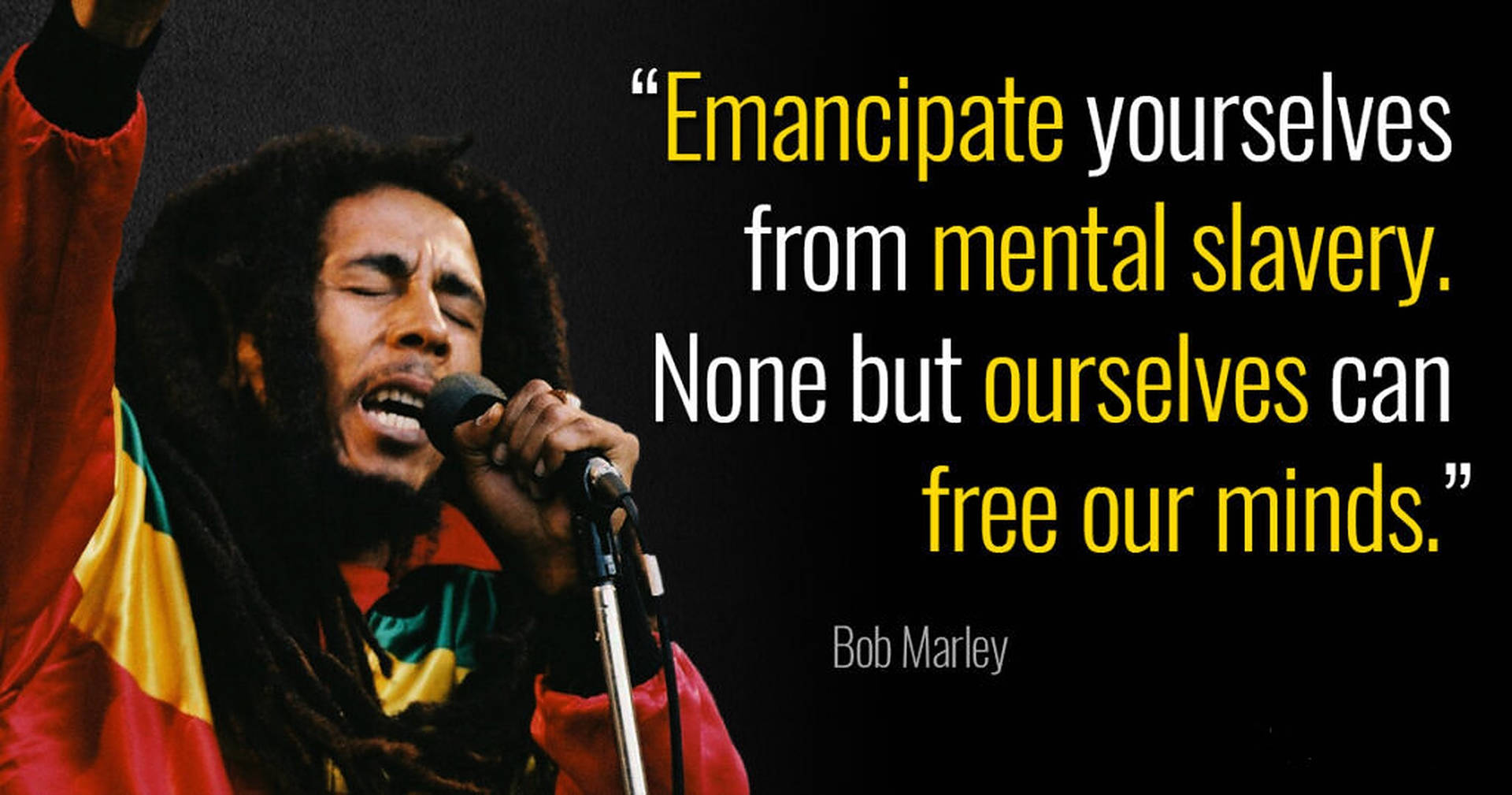
While legal slavery has been abolished, various forms of modern slavery and exploitation continue to exist around the world. Human trafficking remains one of the clearest examples, but exploitation can also occur in workplaces, while many people continue to live under what Bob Marley famously described as “mental slavery.”
As we celebrate Emancipation Day, it is worth asking ourselves an important question: Are we doing our part to promote freedom and dignity, or are we unknowingly contributing to the oppression of others?
Workplace Exploitation
Not every difficult workplace amounts to slavery, but some employment practices closely resemble exploitation.
Some employees are paid below minimum wage or below what their skills and experience deserve. Others are expected to work excessive hours without proper compensation. There are employers who intimidate workers by threatening their jobs, particularly those who depend on work permits to remain in the country.
In some organizations, employees are expected to perform the work of several people simply because management refuses to hire additional staff. Others are treated with little respect simply because they hold blue-collar positions.
Every employee deserves to be treated with dignity and fairness. A workplace should be a place where people are encouraged to grow, develop their talents, and advance in their careers not a place where they are merely used until they are exhausted.
Human Trafficking: A Modern Form of Slavery
Human trafficking remains one of the world’s greatest human rights challenges.
Men, women, and children continue to be exploited for forced labour, sexual exploitation, domestic servitude, and other forms of abuse. Many victims are lured by promises of better jobs and brighter futures, only to discover they have been deceived and trapped.
In many cases, victims spend their life savings or borrow large sums of money to pursue opportunities that ultimately become nightmares.
As long as human beings are treated as commodities instead of people, modern slavery will continue to exist.
Mental Slavery
Perhaps one of the most dangerous forms of slavery is mental slavery.
Many people continue to doubt their own abilities, undervalue their own people, and believe that others are naturally more capable than they are. We often criticize discrimination from the past, yet sometimes we become guilty of the very behaviour we once condemned.
There are occasions when people in positions of authority fail to mentor others, withhold opportunities, or refuse to help those coming behind them. Instead of lifting others up, we sometimes hold them back.
Our minds must be liberated.
No one is inherently better than anyone else. Every person deserves an opportunity to develop, succeed, and contribute. We should share knowledge, encourage one another, and open doors rather than close them.
Conclusion
More than a century after emancipation, the struggle for freedom continues in different forms.
Human trafficking must be confronted through strong laws, effective enforcement, and public awareness. Workplace exploitation must be replaced with fairness, respect, and opportunity. Mental slavery must be overcome by believing in ourselves and investing in others.
Bob Marley famously urged us to “Emancipate yourselves from mental slavery.” Those words remain just as relevant today as they were decades ago.
As we commemorate Emancipation Day, let us honour the sacrifices of our ancestors not only by remembering the past, but by ensuring that our words, our actions, and our treatment of others reflect the true meaning of freedom.
Editor’s Note (2026): I first wrote this article in 2022. As we observe another Emancipation Day, I believe its message remains just as relevant today. While we celebrate the abolition of slavery, we must also confront the modern forms of exploitation that still exist in our societies.